Showing posts with label packing tips. Show all posts

Monday, July 28, 2014

How to Pack a First-Night Box

Image: stockimages / freedigitalphotos.net
When you're packing, be sure to create your "first-night" box containing your survival kit and essentials. These are the things you will use on the last morning in your old home and the first night in your new one. This box should be loaded on the truck last.

Don't forget to pack these essentials:
  • Clothes for every family member
  • Disposable plates, glasses, and utensils
  • Basic tools
  • Cleaning supplies
  • Bed linens
  • Flashlight
  • Lightbulbs
  • Medications
  • Non-perishable snacks
  • Napkins
  • Towels
  • Toiletries
  • Children's toys
  • Trash bags

Friday, July 25, 2014

Easy Ways to Pack a Moving Box

Image:  nuttakit / freedigitalphotos.net
When packing boxes for moving, you can't go wrong! No one wants to have their belongings chipped or damaged in transit just because you missed a few safety measures. There are a number of ways you can protect your items on moving day. The easiest way to start is keeping the boxes secured by using commercial-grade materials and supplies.

Here's how you can pack a box the smartest way --
  • Assemble the box and secure the bottom seam with packing tape. Professional movers recommend using straps for added protection. 
  • Place enough padding using paper. To find out if you've done this properly, press down on the paper. You should not be able to feel the bottom of the box. This serves as cushioning.
  • Fill the corners with paper, packaging peanuts, or loose fills. 
  • Wrap each item in bubble wraps or paper and place them inside the box. Be sure to leave enough room on the sides and top so you can add more padding if necessary.
  • Small gaps can be filled with paper, towel, or fabric. Don't underfill boxes, otherwise they will collapse when stacked.
  • Secure the box with a tape and label it accordingly. Be specific about its contents and what room it belongs to. Label the sides of the box, not the top part. This allows you to rad the labels even when boxes are stacked. 
For more packing tips, click here.

Wednesday, July 23, 2014

Essential Moving Supplies

Image:  stockimages / freedigitalphotos.net
Organizing for a move can be overwhelming. Not to mention all the packing and sorting you have to do. To help you make your work easy, here's a quick rundown of all the packing supplies you need:
  • Tools for disassembling furniture.
  • Boxes they can be purchased from your moving company. Get a wardrobe box for your clothing. To calculate the number of boxes you need measure the number of linear feet. Get special crating if necessary.
  • Box cutters so you can quickly open the box
  • Bubble wraps, packing peanuts, and loose fills for padding. Buy in bulk or large rolls.
  • Large trash bags for disposing items you don't need or can no longer be donated or placed in a garage sale. 
  • Packing paper to stuff boxes and wrap delicate items
  • Scissors
  • Small sealable plastic bags to keep screws, brackets, and any other loose parts or small items
  • Stretch wrap to secure furniture drawers and cabinets
  • Packing tape and tape dispenser
  • Permanent markers for labeling boxes
Read more packing tips

Thursday, June 12, 2014

How to Pack Your Sewing Machine

For the seasoned crafter, organizing their own craft room is an investment. Professional movers understand you more than ever! We know how much you value each of your craft supplies so we will teach you how to pack your sewing machine and be able to enjoy your hobby. 
Image: foto76 / freedigitalphotos.net
  • Whether you have electric sewing machine, sergers, or embroidery machines, they're generally packed the same.
  • For sewing machines without a cover, start by purchasing a box that's slightly bigger than your machine. Place crushed packing paper in the bottom of the box.
  • Detach anything that's loose, including the needle. You can pack this inside your sewing kit or tape the loose parts to the machine.
  • The presser foot should be lowered.
  • Remove the spool holder, if possible. If not, be sure to pad it with packing paper.

Wednesday, June 11, 2014

How to Pack Your Craft Supplies

Image:  Apolonia / freedigitalphotos.net
If you love crafting, you know how important it is to keep all your essential craft supplies and favorite fabrics. According to professional movers, these things can be packed together inside your moving boxes --
  • Fold or roll all your fabrics and place them inside the box.
  • Be sure the thread is hooked on the spool. Place them in zip top bags.
  • Carry paints, spray aerosols, and glues with you. These are the things you should not place with the rest of your household goods. If you want to save some space, you can sell them at your garage sale instead, or pass it on to your crafty friends. 
  • If you have unused yarns, keep them wrapped in packing paper to avoid getting tangled. You can also place them into individual zip top bags.
  • Beads should be kept in their original packaging and should be taped so they won't run loose. 

Monday, May 26, 2014

Which Moving Solution Is Right For You?

Image:  Baitong333 / freedigitalphotos.net
Do you have a hard time deciding which household moving solution is best for your needs? You're not alone. A quick Google search will give you a lot of moving companies to choose from, but how do you know which one to use? Where do you start?

If you are one of the homeowners scratching their heads, read along.
  • If you need a storage unit, make sure the container is sturdy and made of high-quality, weatherproof materials.
  • Determine what packing options and moving services you need. Find out how much stuff you are moving and how many containers you will use. You can use multiple containers but be sure you're getting the appropriate sizes so you won't pay for extra space you don't use. 

Saturday, May 17, 2014

How to Pack Jewelries for an Upcoming Move


Image: nuttakit / freedigitalphotos.net

Ladies, you may want to read this before packing all your accessories! If you own a lot of fashionable jewelries, packing them properly is essential, especially when you love them all. Here are some tips on packing your jewelries:
  • Professional movers recommend to keep your precious items with you. Remove this from your armoire to prevent them from tangling. 
  • A great tip from Real Simple is threading your thin necklaces and bracelets through a straw.
  • If you have thick jewelries that won't fit a straw, you can use an empty toilet paper roll. (Thanks, ThePeacefulMom.com for this tip!)
  • Place your jewelries in zip top bags of appropriate sizes for added protection.
  • You can use a separate box for smaller pieces of jewelry. This is great for storing earrings.
  • Place it in a moving box with the tackle box at the bottom. Layer the zip bags full of other accessories. Professional movers suggest wrapping zip bags in paper so they don't slide around. Fill any gaps and don't combine jewelries with heavy items.
These tips are also great when you're packing for travel! Got more tips on packing jewelries? Share it with us in the comments below.

Wednesday, May 14, 2014

How to Move an Aquarium

Image: Houzz.com
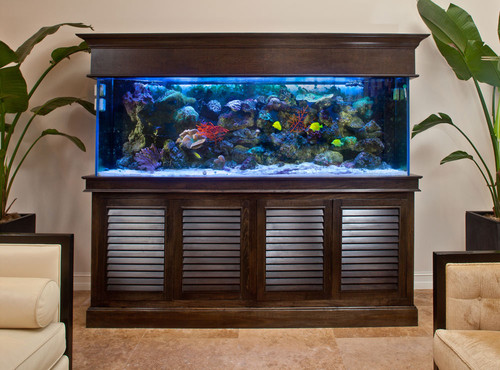
As we all know, moving can be stressful. This is also true for your fishy friends. In moving an aquarium - no matter how big or small - make sure you are doing it safely. If you feel that your fish won't survive, consider reselling them and restocking your aquarium once you reach your destination.

Follow this guide from professional movers so you can be sure your aquarium will arrive safely in your new home.
  • Purchase a moving box in an appropriate size.
  • Drain your fish tank properly. Contact your local pet store to make sure it's done correctly.
  • Remove all the rocks, artificial plans, and other decor. Clean and dry them before you wrap them in packing paper. Place them in another box and be sure to handle fragile pieces with care. 
  • Do the same for the air filer and other parts. You can use bubble wraps for protection then place them in a box.

Monday, May 12, 2014

How to Move A Refrigerator

Image courtesy of Ambro / freedigitalphotos.net

Refrigerators are just a few of the expensive items that you can't afford to get damaged. If you are moving one, be sure to move it the right way.


Follow these tips for moving your refrigerator properly:
  • To prepare your fridge, let it defrost about one week before moving day. Unplug and turn it off according to manufacturer's instructions. Disconnect the water/ice dispenser, if any.
  • Remove all of the contents and dry the defrosted refrigerator thoroughly.
  • Leave your refrigerator open for several hours to prevent mildew and musty odor from forming. An open box of baking soda helps eliminate the odor.

Thursday, May 8, 2014

How to Pack Your Photos for an Upcoming Move


Image source
You're leaving home and facing a new journey. Between all the packing and finding a moving company you can trust, there's a lot in store for you. You're going to make memories in your new destination. But be sure to bring those moments worth reminiscing.

If your home is full of photographs, professional movers recommend taking them with you during the move. Here are a few points to consider when packing and storing them:
  • Humidity, temperature, sunlight, and other environmental factors may affect the quality of photographs. 
  • Do not place photos in plastic bags.

Wednesday, May 7, 2014

Reader Question: Can I Pack My Things into Plastic Storage Bins?


You might have a lot of storage bins to organize your stuff at home. Everyone loves them! While you can store just about anything in these plastic containers, there are some instances that you should not use them, that is, on moving day.

If you choose to do the packing and hire a moving company for transporting your belongings, we recommend using moving boxes instead of plastic storage bins.

Here are more important points:
  • Plastic storage bins are more prone to cracks as they don't stack well. Moving boxes can be stacked edge-to-edge which make them ideal for moving.
  • Moving boxes can hold their shape even if you've stacked other boxes on top of the other. 

How to Move An Arcade Game

Image: Houzz.com

For those of you who have a game room in your home, we bet this is your cozy nook - the pool table, soft couch, sturdy table, and arcade games. Definitely a favorite among your kids (and for the kid at heart!). While it can be a hassle to move all of these things, it is possible to have the same entertainment in your new destination.

Are you an avid gamer? If you have a pinball machine and other arcade games, you will move it the same way as your pool table but in a simpler way.

  • First, measure the arcade in your game room so you will know if it fits the door. Usually, arcade games will fit through a standard doorway but for bigger items, it may require removing hinges. 
  • Unplug and clean the machine first before moving it.
  • Place it in an open area outside so it will be ready once the moving crew arrives.
  • Protect the machine with moving blankets and paper padding. Tape it tightly over the blanket, not on the arcade game. 
  • Once you've loaded the machine into the truck, secure it with roap or straps. 
  • Be sure to keep the arcade game in an upright position, otherwise it will be at risk for breakage and damages during transport. 
Got more questions in moving your game room? Leave a comment below.

Saturday, May 3, 2014

How to Pack Your Footwear for Moving


How many pairs of shoes do you have? We bet you have more than three, or too many to count! In this post, you will learn how to pack them effortlessly. If you think that stashing everything in a box, think again.

Professional movers suggest the following ways to get your shoes and feet ready for moving:
  • You can stuff your shoes using packing paper to hold their shape. Avoid using newspaper as the ink can be transferred to any of your footwear. To retain the shape of your boots, stuff them all the way up the shaft.
  • After stuffing, use more packing paper to wrap the shoes. To start wrapping your shoes, lay a shoe in one corner then add the other shoe, tucking in extra packing paper as you go. Wrap them tightly while being careful not to press them together and avoiding any damage. You can do the same for your boots.

Thursday, April 24, 2014

A Guide to Packing Alcoholic Beverages

Image:  BrianHolm / Freedigitalphotos.net
Alcoholic beverages require special handling and careful preparation. You will also have to research and comply with the rules and regulations of the state you are moving in.

For a successful transport, keep these things in mind:

The rules and regulations for transport and distribution of alcoholic beverages vary from one state to another. Be sure to meet these requirements. Check the rules applicable to your state of origin as well as your chosen destination. If you are planning to transport a few bottles, it is better to be on the safe side. In some states, you have to pay taxes and duties.

It is important to note alcoholic beverages are not created equal. There are some factors to consider, including temperature, light, humidity, and vibration. Temperature changes affects the condition of the liquor and can dry it out. Wines, in particular, should be kept away from direct sunlight as it increases the oxidation process. The ideal humidity is around 70% and vibration should be in tolerable levels.

Packed in durable containers and sealed properly, hard liquor and beer are easier to transport. Among these alcoholic beverages, vintage wine is the most difficult to transport as they are easily shaken.

Read: How to Pack and Move Your Wine Collection

Prepare Your Bicycle for Moving in 3 Easy Steps

Image:  Sujin Jetkasettakorn / Freedigitalphotos.net
For riders who want to have an adventure in their new place, preparing your bike for transport isn't too complicated as you think. The easiest way is to pack it in a special crate to avoid any damage. But if you want to maximize the space you have, you can also wrap it in bubble wraps. 

If you don't mind disassembling your bike, professional movers suggest doing these 3 easy steps:

Gather your materials
Get bicycle boxes, extra strips of cardboard, scrap wood, packing tape, and thin rope. 

Disassemble it
Shift gears to give slack to the cables and let half air out of the tires. Detach the seat and front wheel and tape a block of wood between front fork dropouts. Loosen the brake cables then detach the handlestems. Remove the pedals as well and place a cardboard against the right side of the frame, the front wheel should be placed on the other side. Don't forget to tie the wheel and cardboard to the frame. As a reminder from professional movers, be sure you know how to reassemble the bike later on.

Pack the box
Place your bicycle in the boxes you collected. Use the cardboard as padding for sharp edges, wrap the seat, handlebars, and pedals in cloth. Make sure everything is secured in the box. You can also place your tools inside then seal the box. Label the box accordingly.

Saturday, April 19, 2014

How to Move Antique Furniture

Image: Houzz.com
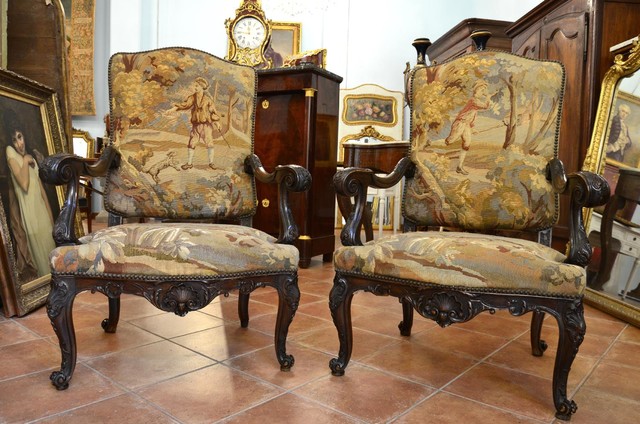
Antique furniture are valued collections. They require special attention when packing. Professional movers can give this kind of care in handling your precious belongings. 

Here are some tips to make packing and moving antique furniture run smoothly:
  • Have the furniture appraised for insurance coverage in case you need to file a claim later on. 
  • Document the condition of the furniture. Photograph your furniture from all angles and take note of any existing scratches. This will help in filing a claim.
  • Secure any loose parts and inform your movers about it, including any delicate parts of the furniture. 
  • Remove anything inside the drawers or cabinet as any additional weight may damage the furniture during the transport. 
  • Do not tape the drawers to avoid damaging the finish. Most professional movers will shrink wrap the furniture or use a rubber bungee or string to secure loose parts. 
  • You can use a moving blanket and other protective wraps for added protection during long distance moving. For optimal protection, ask your movers about special crating
  • If you need a storage unit, consider the temperature, moisture, and other factors that might affect your furniture condition. Ask your movers about advice for storing wood pieces.

Friday, April 18, 2014

How to Pack Your Kitchen

Image: Houzz.com
Now that you've learned how to pack your dining room, let's move to the heart of your home -- the kitchen. Before you start packing, be sure to maintain good hygiene practices when handling cups, plates, pots, and utensils. This will make unpacking easier later on as you can put them straight into your new cupboard. 

Let's start packing your kitchen, shall we?

Kitchen cupboards
Get rid of any expired non-perishable goods and dispose them to your compost or green waste bin. As much as possible, perishable goods should consumed before your moving day or you may give it to your neighbors.

Small Appliances
Before packing small appliances, be sure it's clean and already cooled to room temperature. Professional movers suggest using the original packaging or purchase the right size of boxes. Put padding on the space to prevent them from rattling around during transport. 

Wednesday, April 16, 2014

How to Pack Your Dining Room

Image: Houzz.com
There's no denying that packing up your dining room is not as hard as organizing your garage. But what makes it complicated is protecting expensive fragile items such as china, vintage wines and more. 

Decide what items you want to pack as you can transport expensive items by yourself. Consider the size of your new home. If you are downsizing, you might as well sell or donate a few stuff.

Here are more tips in packing your dining room easily:
  • All non-essential items should be disassembled and packed in advance. Wrap them with packing paper and bubble wraps. (Read: Tips to Make Packing Easier)
  • Professional movers suggest that your furniture should be prepped on the nearest date of your big move as you are most likely to be using it. Most tables can be disassembled or folded to maximize the space in the truck. Be sure to protect worktops from unsightly scratches.
  • After having the table ready, proceed with the chairs. It can be a bit complicated as the legs can't be detached and are probably the easiest to break. Use protective materials to keep the rails, bars, and legs protected from any damage. 
  • Your chandeliers should be carefully placed in a box of appropriate size. Don't risk it from breaking - let your movers pack it.
  • Get boxes for your wine collection in the local store or supermarket. To learn more about packing your wines, click here.
  • Ask your movers to help you pack glasses and other fragile housewares. They have the appropriate packing materials and are skilled in protecting your precious crystals, china, and other investments.
  • Clearly label the boxes with "dining room," "Fragile," and "This side up."
If you have questions about packing and moving, let us know in the comments below.

Sunday, April 6, 2014

Smart Ways to Donate Your Things When Moving

The idea of packing up your home seems overwhelming. Trying to figure out which among your stuff should stay with you is a little daunting but remember, letting go of things you don't need will maximize the space and help in reducing moving costs. 
  • Professional movers recommend to start small. You can organize your closet and sort out clothes you've outgrown. You can find many donation centers out there where you can place old clothes and shoes that are still wearable. Do the same for your kids closet and even their toys!
  • If you are downsizing your home or planning to buy new stuff for your home, you can donate large furniture such as sofa, tables, and bed, to Habitat for Humanity or other similar organizations.
  • You can then move to your linen closet and kitchen cabinets. There are organizations, like crisis shelters for women, that accept household items including kitchen utensils, dishes, towels, and sheets. When packing up your kitchen, you can set aside houseware and non-perishable items you no longer need.
  • According to professional movers, electronics are good items to donate when you're moving out. In fact, Goodwill Industries encourages you to donate used computers through their Reconnect Partnership. Your electronics will then be refurbished or recycled and will help in keeping the landfills free of non-biodegradable waste. 
Lastly, be sure to comply with donation guidelines. If you will sort further, you will find a lot of pre-loved items that other people can put into good use. This will lighten your load, do your part to preserve the environment, and reach out to communities in need.

Wednesday, April 2, 2014

Storage Tips for Leather and Wood Furniture

Image: photostock / freedigitalphotos.net
If you have leather or wood furniture at home, it is essential to maintain the quality so it will be ready to use when you move. There are several things to consider, from packing to loading and storage. Some of the concerns are humidity, temperature, and storage options.

Make sure your leather furniture is cleaned properly before you load it into the truck or place it into storage. You can also get cleaning service if your budget permits. The surface should be dry and clean as any moisture may cause mold and mildew to accumulate in the long run. To prevent this from happening, professional movers recommend spreading plastic sheets on the floor of the storage unit but being careful not to wrap it in plastic. If you have wooden pallets on hand, you can use them to set your leather furniture. A thin layer of fabric, like cotton or flannel, can be used to let the leather breathe. Another thing that you should avoid is placing items on top of a leather furniture. During transport or if stored for longer periods, you will start to notice unsightly indentations.